Best crypto wallet for no KYC casino: 13 ranked by privacy
Self-custody wallets for private deposits, low-fee Litecoin and Bitcoin sends, and safer withdrawals from crypto casinos that skip ID checks.
Picking a crypto wallet for no KYC casino play is less about finding a secret “anonymous” app and more about controlling your keys, choosing the right coin, and keeping exchange accounts out of the gambling loop. A no KYC crypto casino may never ask for a passport, but the blockchain still records every deposit and cashout.
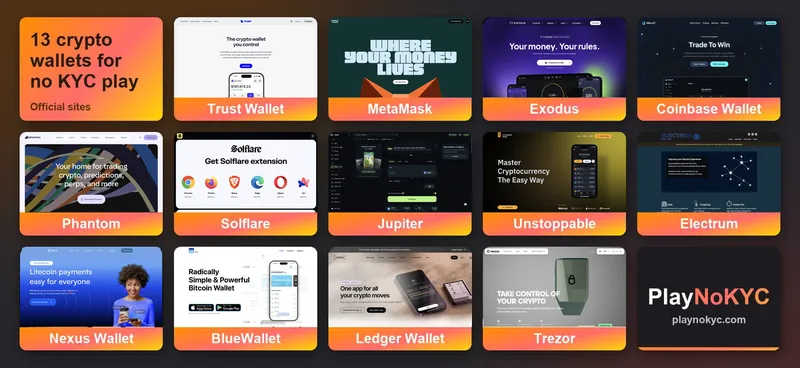
This guide lists thirteen wallets and Solana tools we would use for casino deposits and withdrawals: hot wallets for quick sends, swap apps when you need the right coin before a cashier send, Lightning options for small Bitcoin transfers, and hardware setups when you are holding more than session money. We are not paid by wallet makers. Always download from official sources and write down your recovery phrase offline.
What wallet privacy means with a no KYC casino
No KYC at the casino means you can often sign up and cash out without uploading ID up to site limits. It does not mean nobody can see your transactions. Public chains link addresses, amounts, and timing. Your wallet’s job is to hold keys you control and let you send to the casino cashier without routing everything through a KYC exchange.
Privacy habits that matter more than branding: use a dedicated gambling wallet separate from your savings, send a small test deposit before a large one, match the network the cashier shows, and avoid reusing the same deposit address forever if you care about unlinking sessions. VPN use is a site-by-site rules question, not a wallet feature.
How we chose these wallets for crypto casino use
We looked for wallets that support coins casinos commonly accept (Bitcoin, Litecoin, Ethereum and stablecoins on clear networks), run on mobile or desktop without forcing an exchange login, and have a track record of security updates. Ease of use for a first no KYC casino deposit mattered as much as advanced features.
The list below is ordered by privacy score, highest first, and by popularity when scores tie. That puts the Bitcoin, Litecoin, and hardware options near the top and the mainstream apps tied to exchanges near the bottom. Hardware wallets are for storage, not for clicking “deposit” inside a live casino tab every few minutes.
How we score wallet privacy out of 10
Each wallet earns 0, 1, or 2 points on five checks, for a score out of 10. The score rates the wallet app, not what the blockchain shows about your casino deposits. When two wallets tie, the more popular one goes first.
- Open source: 2 if the wallet’s code is public, 1 if only parts of it are.
- No account to start: 2 if you can create a wallet without an email, sign-up, or ID.
- Built-in privacy tools: 2 for two or more of Tor, your own node or server, coin control, CoinJoin, or a private-payment mode. 1 for one, 0 for none.
- Low tracking: 2 if the developer collects nothing and default connections reveal little. 1 if you have to opt out of analytics or default servers see your addresses. 0 if the privacy policy describes default analytics plus wallet address or IP collection.
- Not owned by an exchange: 2 if the wallet maker is independent of a trading platform, 0 if an exchange owns it.
Only Unstoppable Wallet reaches 10. Even it can’t hide anything on a public blockchain, and every other wallet here leaves default servers or network peers able to see something. Scores follow each project’s documented features and privacy policy as of October 2026. They are editorial opinions, not security audits, and they change when the wallets do.
Privacy scores: the full leaderboard
| Wallet | Score | Open source | No account | Privacy tools | Low tracking | Not exchange-owned |
|---|---|---|---|---|---|---|
| Unstoppable Wallet | 10/10 | Yes | Yes | Yes | Yes | Yes |
| Trezor | 9/10 | Yes | Yes | Yes | Partly | Yes |
| Electrum | 9/10 | Yes | Yes | Yes | Partly | Yes |
| BlueWallet | 8/10 | Yes | Yes | Partly | Partly | Yes |
| Nexus Wallet | 8/10 | Yes | Yes | Partly | Partly | Yes |
| MetaMask | 7/10 | Yes | Yes | Partly | No | Yes |
| Exodus | 6/10 | Partly | Yes | No | Partly | Yes |
| Ledger Wallet | 6/10 | Partly | Yes | No | Partly | Yes |
| Phantom | 5/10 | Partly | Yes | No | No | Yes |
| Solflare | 5/10 | Partly | Yes | No | No | Yes |
| Jupiter | 5/10 | Partly | Yes | No | No | Yes |
| Trust Wallet | 4/10 | Partly | Yes | No | Partly | No |
| Coinbase Wallet | 3/10 | Partly | Yes | No | No | No |
13 crypto wallets for no KYC casino deposits, ranked by privacy
Unstoppable Wallet
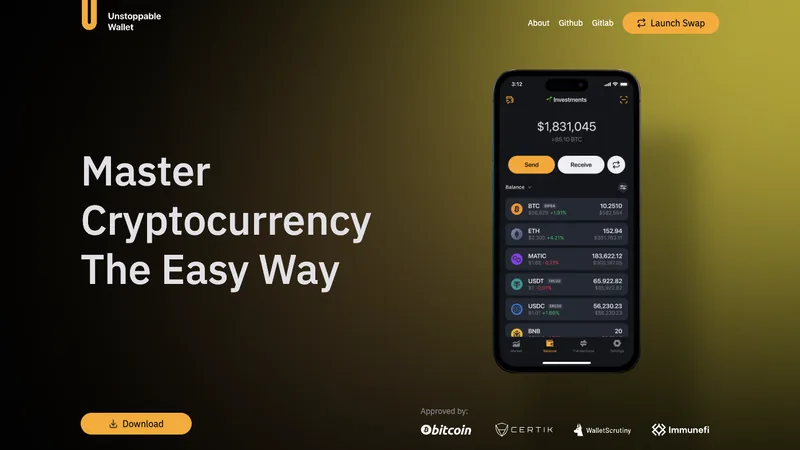
- Wallet code is public: yes
- No sign-up required: yes
- Tor on Android, privacy coins: yes
- App collects no user data: yes
- Not tied to an exchange: yes
Unstoppable Wallet is a self-custody app for many chains, and it’s our top pick for privacy. It supports Bitcoin, Ethereum, and many other assets without an exchange login, which fits the same middle step as Exodus or Trust: move funds off a KYC exchange, deposit to a no KYC casino, withdraw back to an address you own. Our casino tip is the same as for any wallet: match coin and network to the cashier and keep gambling floats separate from coins you plan to hodl.
Trezor (with Trezor Suite)
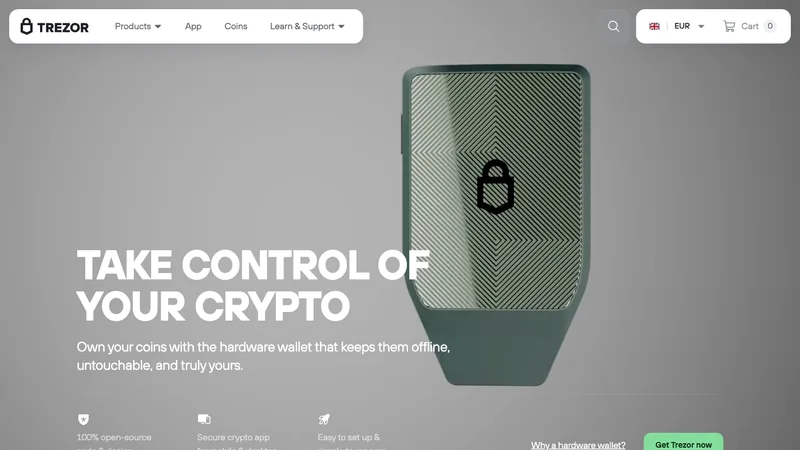
- Open-source firmware: yes
- Works without an account: yes
- Tor plus your own node: yes
- Default servers see addresses: partly
- Hardware brand, not exchange: yes
Trezor is the hardware wallet we’d pick for privacy (9/10) once balances grow beyond session money. Trezor Suite lets you manage coins and approve every transaction on the device itself. Like Ledger, which comes later in the list, it is the wrong tool for live slot deposits, but it is the right tool for storing casino winnings you do not want on a phone hot wallet. Keep gambling floats small on software wallets. Use Trezor for the rest.
Electrum
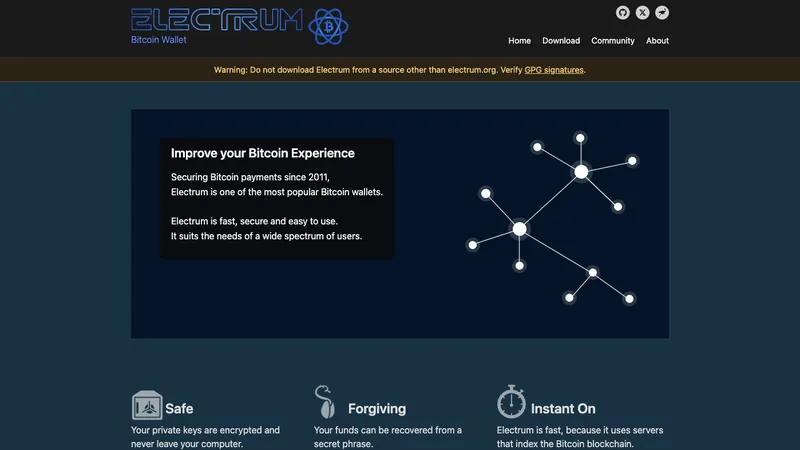
- Auditable open code: yes
- No registration needed: yes
- Tor and coin control: yes
- Public servers by default: partly
- Standalone Bitcoin project: yes
Electrum is the longtime desktop wallet built only for Bitcoin, for players who only need BTC and don’t want an app crowded with other coins. It is lightweight, supports custom fees, and does not require an exchange login. Depositing BTC at a no KYC casino without ID verification works well with Electrum when the site publishes its deposit minimums and confirmation rules clearly.
BlueWallet
- Source published openly: yes
- Start without signing up: yes
- Coin control for spends: partly
- Uses Electrum servers: partly
- Separate from exchanges: yes
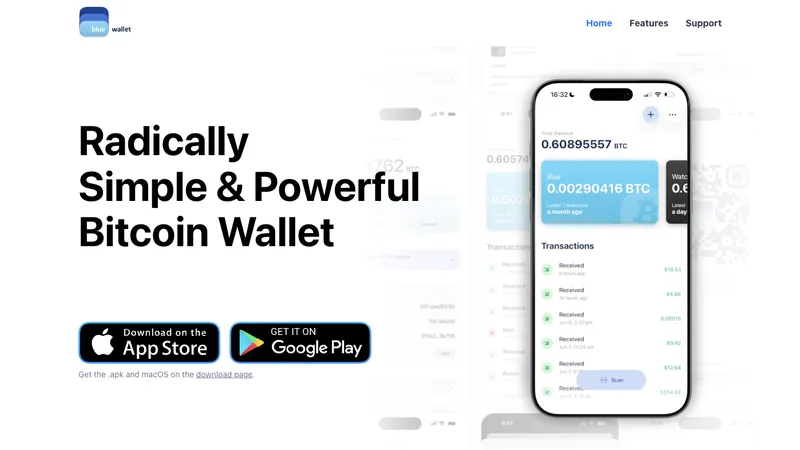
BlueWallet handles Bitcoin and Lightning in one mobile app. We like it when Bitcoin is the only coin you need. Use it when your no KYC casino accepts Lightning for smaller BTC deposits or when you want lower fees on repeated sends. Lightning now needs your own LNDHub server, since BlueWallet shut down its hosted service in 2023. If the cashier only shows a classic BTC address, use the Bitcoin tab, not Lightning.
Nexus Wallet (formerly Litewallet)
- Open-source codebase: yes
- No email to begin: yes
- Optional MWEB for LTC: partly
- Network peers may see IP: partly
- Foundation app, not exchange: yes
Nexus Wallet is the Litecoin Foundation’s current mobile wallet. It replaced Litewallet, which the Foundation sunset on December 31, 2025, and old Litewallet users can import their 12-word paper key into Nexus. Litecoin suits no KYC casino deposits because fees stay low and confirmations are fast. Nexus is self-custody and built around Litecoin, so if LTC is your only casino coin it keeps the app focused without dozens of unrelated chains. Older guides still point to Litewallet, so use Nexus instead.
MetaMask

- Code open to review: yes
- Works with no login: yes
- Custom RPC if you set it: partly
- Default Infura can log IP: no
- Consensys, not an exchange: yes
MetaMask is our go-to for Ethereum and other EVM chains. Crypto casino sites that take ETH or ERC-20 USDT expect an address from MetaMask or a compatible wallet. Both the browser extension and the mobile app work fine for casino sends. Verify the network in the casino matches the network in MetaMask, and keep a separate wallet or profile for gambling so DeFi use does not mix with your casino bankroll.
Exodus
- Partly open code: partly
- Set up without an account: yes
- No coin control or Tor: no
- Activity sharing you can disable: partly
- Independent wallet company: yes
Exodus is our pick when you want one desktop and mobile wallet for many coins. It supports Bitcoin, Litecoin, and many other assets with a clean interface and visible fees before you send. For no KYC casino play, Exodus works well as a dedicated “float” wallet: fund it, deposit to the site, withdraw back, and move larger balances to hardware when you are done.
Ledger Wallet (formerly Ledger Live)
- Partially public code: partly
- No sign-up for the app: yes
- No privacy tools in app: no
- Analytics and debug reports: partly
- Hardware maker, not exchange: yes
Ledger is the other hardware wallet we cover here. Ledger Wallet, the app formerly known as Ledger Live, is the companion app for moving and verifying coins while keys stay on the device. For casino play, the pattern is hot wallet in and out during sessions, then move bigger wins to Ledger when you are finished. Verify receive addresses on the device screen after every no KYC withdrawal paste.
Phantom
- Limited open-source parts: partly
- Install with no account: yes
- No documented privacy tools: no
- Policy covers IP and usage: no
- Solana team, not exchange: yes
Phantom is our first pick for Solana. If your crypto casino accepts SOL or tokens on Solana, it’s the one we’d install first. It has expanded to other chains, but Solana is still where it fits best. Confirm the cashier asset and network before you deposit. Solana address mistakes are as final as wrong EVM networks.
Solflare
- Some code open source: partly
- No account creation step: yes
- No in-app privacy settings: no
- Privacy policy mentions analytics: no
- Solana wallet, not exchange: yes
Solflare is the Solana wallet we’d pair with Phantom. Browser extension, mobile app, and options that connect to a hardware wallet give you the same self-custody pattern: hold SOL or SPL tokens, then send to the casino address the cashier displays. We’d keep both Phantom and Solflare installed and use one as a dedicated gambling wallet so session deposits do not mix with NFT or staking activity.
Jupiter (jup.ag)
- Partly open wallet code: partly
- Wallet works without sign-up: yes
- No Tor or mixers in wallet: no
- Google Analytics in policy: no
- Swap app, not a CEX: yes
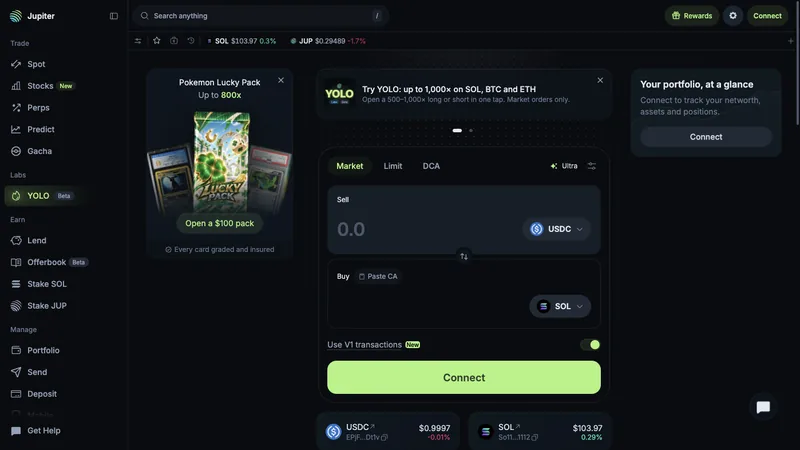
Jupiter at jup.ag is best known as Solana’s swap aggregator, not a classic multi-coin wallet like Trust. It still belongs on this list because casino cashiers want a specific asset, often SOL or USDC on Solana, and Jupiter is where players convert before the final send from Phantom or Solflare. Jupiter’s mobile wallet product ties swaps and self-custody sends into one flow. Use the official jup.ag domain, connect only wallets you control, and send from your wallet to the casino, not from a centralized balance you do not hold keys for.
Trust Wallet
- Open Wallet Core library: partly
- Open with no registration: yes
- No built-in privacy modes: no
- Policy allows analytics: partly
- Owned by Binance: no
Trust Wallet is the easiest phone wallet to start with. It supports Bitcoin, Ethereum, stablecoins on several networks, and plenty of altcoins in one self-custody app. For no KYC casino players who want a single phone wallet for ETH, USDT, or BTC deposits, it’s the one we’d suggest first, even though it scores lower on privacy (4/10). Match the cashier network before you send. ERC-20 and TRC-20 USDT are not interchangeable.
Coinbase Wallet
- SDK source only public: partly
- No ID to get started: yes
- No wallet privacy toolkit: no
- Collects usage and chain data: no
- Owned by Coinbase exchange: no
Coinbase Wallet is not the Coinbase exchange app. It is a separate self-custody product: you hold the keys, and Coinbase does not control the balance. We include it because many beginners already know the brand. Use it as the middle step between a KYC exchange and a no KYC casino so gambling sends do not hit your exchange account directly. Download the wallet branded Coinbase Wallet, not the trading app.
Wallet habits that protect privacy (and your bankroll)
Buy crypto on a KYC exchange if you must, then move it to your personal wallet before you deposit at a no KYC casino online. Exchanges can block or flag gambling-related sends. Your wallet sits in the middle and keeps casino traffic off your exchange profile.
Use separate addresses or wallets for large wins if you want less obvious linking on-chain. Set a loss limit before you play and move anything above your session bankroll out of the hot wallet. Enable PIN or biometrics on phone wallets and never store seed phrases in cloud notes or screenshots.
When you withdraw, copy the receive address from your wallet app again instead of reusing an old clipboard entry. Test with a small cashout first, the same way you test deposits. First withdrawals at some sites slow down for fraud checks even when the brand markets itself as no KYC.
FAQ
Do I need a special anonymous crypto wallet for a no KYC casino?
You need a wallet you control, not a balance trapped on an exchange. No common wallet makes on-chain gambling invisible. Self-custody plus smart habits beats chasing a magic anonymous app.
Is it safe to send crypto straight from an exchange to a casino?
Many exchanges flag or restrict withdrawals tied to gambling. A personal wallet between the exchange and the casino is the safer pattern, and it keeps your casino deposits separate from your KYC exchange account.
Which wallet is best for a first no KYC casino deposit?
For many beginners, Trust Wallet or Exodus covers the first deposit if the casino takes ETH, USDT, or BTC. Phantom or Solflare for SOL sites, with Jupiter at jup.ag to swap into the coin the cashier wants. Nexus Wallet for LTC and Electrum or BlueWallet for sites that take only BTC are common next steps before you move larger balances to Ledger or Trezor.
How do you rate crypto wallet privacy?
Each wallet earns 0 to 2 points for open source code, no account to start, built-in privacy tools, low tracking, and independence from an exchange, for a score out of 10. Unstoppable Wallet leads at 10/10, with Trezor and Electrum at 9/10. Even a perfect score does not hide anything on a public blockchain.
Does a hardware wallet help with no KYC casino privacy?
Hardware wallets protect keys from malware and are best for storing larger amounts offline. You still move coins through a hot wallet or app to deposit, and the blockchain remains public either way.
Summary
The best crypto wallet for no KYC casino play is the one you control, matched to the coin and network your cashier expects. On privacy alone, Unstoppable Wallet leads at 10/10, followed by Trezor and Electrum at 9 and BlueWallet and Nexus Wallet at 8. Trust Wallet, MetaMask, and Exodus are the easiest to start with, and they trade some privacy for convenience (4, 7, and 6 out of 10). Coinbase Wallet scores lowest at 3 but fits beginners leaving a KYC exchange. Phantom and Solflare cover Solana deposits, and Jupiter at jup.ag helps you swap into the right asset before you send. Ledger and Trezor belong on the storage side after you win, not on every spin.
Download only from official sites, back up recovery words offline, and treat wallet choice as part of the same workflow as picking a trustworthy no KYC crypto casino. Get the wallet and network right first, then worry about bonuses and games.